Source Child-Resistant Windowed Round Candy Tin for Food, Electronics, and Cosmetics
Compare 30 Child-Resistant Windowed Round Candy Tin options from China. These metal tins feature custom sizes, embossing, and screen printing for food, electronics, and cosmetics packaging needs. Buyers can evaluate various shapes, sizes, and printing styles to find the best fit for their specific product requirements and branding goals.
Key considerations
Products List


Custom Size and Printing Child Resistant Metal Tin Box for Packaging Container
$0.12 - $0.13
MOQ: 500 Pieces
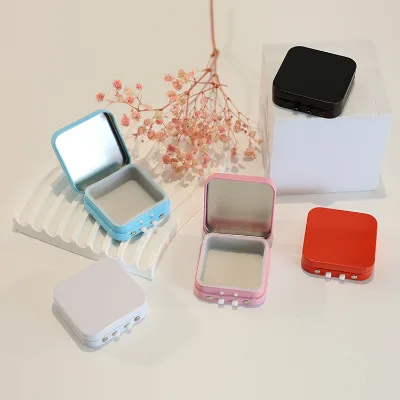
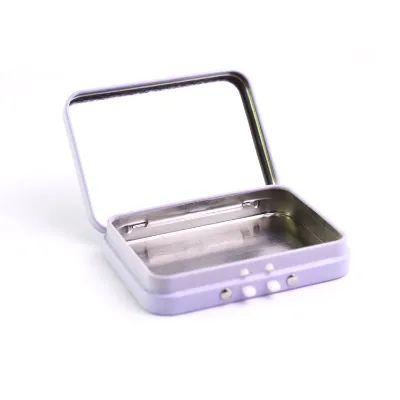


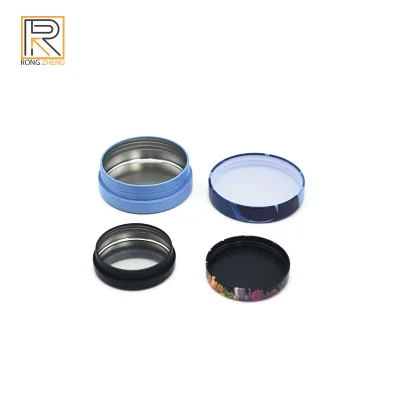
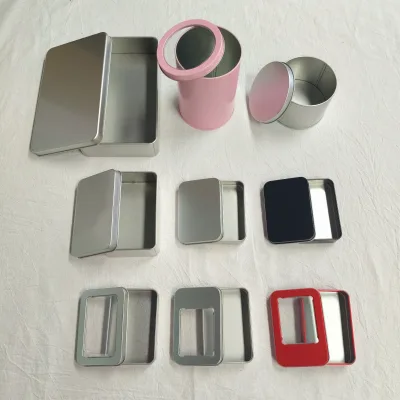


Custom Child Resistant Small Round Mini Metal Tin Can for Candy Gummy Mints
$0.25 - $0.55
MOQ: 1000 Pieces


Custom Candy Gummies Square Metal Tin Child Resistant Metal Can Tin Box
$0.39 - $0.69
MOQ: 1000 Pieces


Comprehensive Sourcing Guide
Child-Resistant Windowed Round Candy Tin Sourcing Guide
Buyers seeking child-resistant windowed round candy tins must first align their packaging needs with the specific material and functional attributes observed in the current market. The available inventory predominantly features metal construction, specifically tinplate, which offers the necessary rigidity for safety mechanisms while allowing for decorative customization. These containers are frequently designed for gummies and edible products, with some listings explicitly noting suitability for dry flowers or medical packaging applications.
When evaluating potential suppliers, procurement teams should verify that the "child resistant" claim is supported by a functional opening mechanism, such as the "press while turning" option observed in several product listings. The presence of a window feature is not universally confirmed in the provided data, so buyers must explicitly request visual confirmation of transparency or cut-out designs during the inquiry phase. Ensuring the tin meets the specific shape requirements, such as the round or small square models listed, is critical for maintaining brand consistency and shelf appeal.
Product Scope and Observed Listing Signals
The observed product range indicates a strong focus on metal tins with customizable dimensions, including specific models like the 1oz round tin and small square variants. Listings frequently highlight the ability to accept custom logos and printing, with surface handling techniques ranging from screen printing to varnishing and embossing. This suggests that the market is highly responsive to branding needs, allowing buyers to tailor the aesthetic of the packaging to match specific product lines like cosmetics, jewelry, or health care products.
Procurement signals also reveal a diverse application scope extending beyond simple candy storage to include uses in electronics, apparel, and household sectors. The "pre-roll" and "prefill" attributes suggest that some suppliers offer solutions for specific filling workflows, which can streamline the packaging process for manufacturers. Buyers should note that while many products are described as recyclable, the specific environmental certifications or material grades, such as bio-grade options, require direct verification with the supplier to ensure they meet corporate sustainability goals.
Technical Specifications to Verify
Technical due diligence must begin with the verification of the sealing mechanism, as the "press while turning" feature is a key indicator of child-resistant functionality. Buyers should confirm that the screw cap or similar closure system integrates a locking mechanism that requires simultaneous actions to open, preventing access by young children. The material composition, identified as tinplate, must be checked for thickness and durability to ensure it can withstand the mechanical stress of repeated opening and closing without compromising the seal integrity.
Dimensional accuracy is another critical specification, as the market offers both standardized sizes like 967515mm and fully customized dimensions. Procurement teams should request detailed CAD drawings or physical samples to verify that the internal volume matches the intended product weight, particularly for gummies or dense edibles. Additionally, the surface finish, whether matte, glossy, or embossed, must be evaluated for its ability to hold ink and resist scratching, ensuring that the printed logo and branding remain legible throughout the product's shelf life.
Compliance and Safety Documentation
Safety compliance for child-resistant packaging requires rigorous documentation that goes beyond general material safety claims. Buyers must request specific test reports demonstrating that the packaging meets relevant international standards for child resistance, such as those defined by the Consumer Product Safety Commission or equivalent regional bodies. The absence of explicit certification data in the provided listings means that suppliers must be asked to provide third-party validation of their safety mechanisms before any large-scale order is placed.
In addition to safety, environmental compliance is a growing priority for B2B buyers in the food and cosmetics sectors. While some listings mention recyclable properties and bio-grade materials, these claims must be substantiated with official recycling codes or biodegradability test results. Procurement teams should verify that the inks and varnishes used in the printing process are non-toxic and compliant with food contact regulations, ensuring that the packaging does not introduce contaminants into the edible products it contains.
Cost Drivers and Commercial Terms
The cost of child-resistant metal tins is heavily influenced by the complexity of the customization and the volume of the order. The observed MOQ range of 5 to 5000 pieces suggests that smaller buyers can access these products, but unit costs will likely decrease significantly as order quantities increase. Buyers should anticipate that custom sizes, specialized printing techniques like embossing, and the integration of child-resistant mechanisms will add to the base material cost compared to standard, non-secure tins.
Commercial terms regarding lead times and shipping logistics are equally critical, as the origin of these products is primarily in Qingdao and Shandong, China. Buyers must clarify whether the quoted price includes packaging for export, such as cartons and pallets, which are standard in the observed listings. Negotiating payment terms and understanding the impact of currency fluctuations on the final price is essential, especially when dealing with custom orders that may require longer production cycles to accommodate specific design requirements.
Supplier Qualification and Quality Control
Supplier qualification should focus on their manufacturing capabilities and their history of producing safety-critical packaging. Buyers must assess whether the supplier has dedicated production lines for metal tins and if they possess the technical expertise to implement complex locking mechanisms reliably. It is advisable to request a factory audit or a detailed video tour to verify that the production environment maintains the necessary quality controls to prevent defects in the sealing and opening mechanisms.
Quality control protocols must be established to ensure consistency across the entire production batch. Buyers should insist on a pre-shipment inspection that specifically tests the child-resistant feature on a statistical sample of the order. This inspection should verify that the tins open and close smoothly, that the window (if applicable) is clear and free of defects, and that the printing quality meets the agreed-upon standards. Establishing a clear defect rate threshold and a remediation plan is essential for mitigating the risk of receiving non-compliant or damaged goods.
Long-Term Procurement Checks
Establishing a long-term partnership requires regular performance reviews to ensure that the supplier continues to meet quality and delivery expectations. Buyers should implement a system for tracking defect rates and customer feedback regarding the packaging's performance in the field. If issues arise with the child-resistant mechanism or the durability of the tin, a formal corrective action plan should be initiated immediately to prevent recurrence in future orders.
Sustainability and supply chain resilience are also key factors for long-term procurement success. Buyers should periodically review the supplier's sourcing of raw materials to ensure they remain compliant with evolving environmental regulations and ethical sourcing standards. Additionally, maintaining a diversified supplier base or securing backup capacity can help mitigate risks associated with geopolitical instability or raw material shortages, ensuring a steady supply of high-quality, safe packaging for the business.
FAQs
Can these tins be customized with a logo?
Yes, logo printing is available for these metal tins. Buyers can choose from screen printing or varnishing surface handling to brand their packaging. Customization is acceptable for various applications including food, cosmetics, and electronics. This allows businesses to create unique, branded containers that stand out in the market while maintaining the structural integrity of the tinplate material.
What is the minimum order quantity for these tins?
The minimum order quantity ranges from 5 to 5000 pieces depending on the specific product model and customization requirements. Some items have a fixed MOQ of 500 PCS, while others allow smaller trial orders. Buyers should verify the exact MOQ for their chosen size and shape, as factors like embossing or debossing processes may influence the minimum production batch size.
What materials are used to make these round tins?
These tins are primarily made from tinplate metal, ensuring durability and protection for contents. Some variants may utilize bio-degradable materials for eco-friendly packaging needs. The metal construction supports various sealing types, including screw caps, making them suitable for gummies, dry flowers, and other sensitive products. The material choice ensures both safety and aesthetic appeal for diverse packaging applications.
Are these tins suitable for food packaging applications?
Yes, these tins are explicitly designed for food packaging, including gummies, candies, and beverages. They are also used for cosmetics, household items, and health care products. The metal construction provides a secure barrier, and options like child-resistant features enhance safety. Buyers can select from various shapes and sizes to meet specific food storage and presentation requirements effectively.
What sizes are available for these metal tins?
Sizes are customized to meet specific buyer needs, ranging from small square tins to 1oz round containers. Standard dimensions like 96*75*15mm are available, but custom sizes are accepted. The product line includes middle-sized options and cylindrical shapes. Buyers can specify exact volume requirements, ensuring the packaging fits their product perfectly while optimizing shipping and storage efficiency.
How are these tins packaged for shipping?
The tins are packaged in cartons, with options for carton and pallet configurations for larger orders. This ensures safe transit and protection against damage during logistics. The packaging method is designed to handle the weight of the metal tins, which are typically under 0.5 kg each. Buyers can request specific packing arrangements to suit their warehouse and distribution requirements.